

How Does Sugar Affect Your Skin?
Posted on August 06 2026
From an afternoon biscuit to something sweet after dinner, sugar can be an enjoyable part of everyday life. However, when consistently consumed in excess, it may influence more than energy levels. It can also affect the proteins that support the skin’s firmness, elasticity and resilience.
The connection between sugar and skin centres largely on a natural process called glycation. Understanding this process can help you make more informed choices about nutrition, skincare and how you support your skin from within.
How does sugar affect your skin?
Excess sugar can interact with proteins in the body through a process known as glycation. In the skin, this process can affect collagen and elastin, two structural proteins that contribute to skin firmness, flexibility and resilience.
Our bodies use glucose, a type of sugar, as an important source of energy. Problems can arise when there is more sugar circulating in the bloodstream than the body needs at that time.
Some of these excess sugar molecules may attach to proteins or fats. Over time, this can create compounds known as advanced glycation end products, often shortened to AGEs.
This does not mean that one dessert will suddenly change your skin. Skin ageing is influenced by many factors, including genetics, sun exposure, lifestyle, nutrition, stress, sleep and your wider skincare routine. It is the overall pattern of your habits that matters most.
What is glycation in simple terms?
Glycation occurs when sugar molecules attach to proteins or fats without the help of enzymes. This process can affect how those proteins function and may make structural proteins such as collagen less flexible over time.
Glycation is sometimes compared with the browning seen when food is cooked. While the chemistry inside the body is much more complex, the comparison helps illustrate how sugars can alter proteins over time.
When glycation affects collagen and elastin, these fibres may become stiffer and more fragile. Because they form part of the skin’s structural framework, changes to these fibres may contribute to visible concerns such as:
- fine lines and wrinkles
- reduced firmness
- loss of elasticity
- a dull or less supple appearance
- uneven-looking skin texture

Can excess sugar contribute to the appearance of wrinkles and visible skin ageing?
Sugar is not the sole cause of wrinkles, but consistently high sugar intake may contribute to processes associated with visible skin ageing. Glycation is one of several factors that can affect the quality and flexibility of collagen within the skin.
Collagen provides strength and structure, while elastin allows the skin to stretch and return to its original shape. When these proteins become less flexible, the skin may not appear as firm or smooth as it once did.
Advanced glycation end products are also associated with increased oxidative stress, which may further contribute to visible skin ageing. Oxidative stress occurs when free radicals outnumber the antioxidants available to help neutralise them.
This is why antioxidant-rich foods, daily sun protection and balanced lifestyle habits remain valuable parts of a well-rounded approach to skin health.
Rather than focusing on avoiding sugar completely, aim for balance. Occasional sweet foods can still have a place within a varied diet. The goal is to make nourishing, lower-sugar choices the foundation of your routine rather than viewing individual foods as either perfect or problematic.
Can sugar affect the appearance of blemish-prone skin?
Diet may influence how balanced and comfortable the skin appears, although the relationship is complex and varies between individuals. Research into diet and blemish-prone skin is ongoing, and individual responses can differ considerably.
High-glycaemic foods are digested quickly and can cause a rapid rise in blood glucose. Examples may include highly refined sweets, sugary drinks, white bread and some processed snack foods.
A diet built heavily around these foods may be one of several factors that influences how balanced the skin appears in some individuals. However, food should not be presented as the single cause of persistent skin concerns.
Some people find that a more balanced eating pattern helps support the appearance of clearer, healthier-looking skin. Skin appearance can also be influenced by hormones, genetics, stress, skincare, medication, sleep and other individual factors.
If you have ongoing or significant skin concerns, speak with a qualified healthcare professional for personalised advice rather than relying on dietary changes alone.
How does sugar affect collagen?
Glycation can change the structure of collagen fibres, potentially making them stiffer and less resilient. While glycation and collagen formation are different biological processes, maintaining normal collagen formation remains an important part of supporting healthy-looking skin.
Collagen is a structural protein naturally produced by the body. It forms part of the framework that helps skin maintain its strength and firmness.
The body requires adequate nutrition to form collagen normally. Vitamin C is particularly important because it contributes to normal collagen formation for the normal function of skin.
This is one reason a skin-supportive routine should include more than topical products alone. A varied diet, appropriate nutritional support and consistent skincare can work together as part of an inside-out approach.
Everyday ways to support healthy-looking skin
Supporting skin does not require an all-or-nothing approach. Small, consistent habits are often more realistic and sustainable than restrictive changes.
🥦 Choose carbohydrates thoughtfully
Carbohydrates are an important part of a balanced diet, but their source matters. Where practical, choose less-refined options such as wholegrains, legumes, vegetables and whole fruit.
🥑 Pair carbohydrates with protein and healthy fats
Combining carbohydrates with protein, fibre or healthy fats can make meals more satisfying and support a steadier release of energy. Try adding nuts to fruit, avocado to wholegrain toast or a source of protein to your main meals.
🍓 Eat a colourful variety of plant foods
Colourful vegetables, berries, citrus fruits, herbs and spices provide a varied range of plant nutrients. Citrus fruit, capsicum, kiwifruit and berries can also contribute vitamin C to the diet.
☀️ Protect your skin from the sun
Daily sun protection remains one of the most important ways to care for the visible signs of skin ageing. Follow current sun-safety guidance and choose broad-spectrum protection appropriate for your skin and lifestyle.
🌱 Prioritise consistency over perfection
A single meal will not determine the future of your skin. Focus on repeatable habits, including balanced meals, sufficient sleep, regular movement, hydration and a skincare routine suited to your needs.
Can a supplement support collagen formation?
A supplement can provide specific nutrients involved in normal collagen formation, but it should complement rather than replace a balanced diet. Choose formulas that clearly explain what they contain and how their nutrients support the skin.
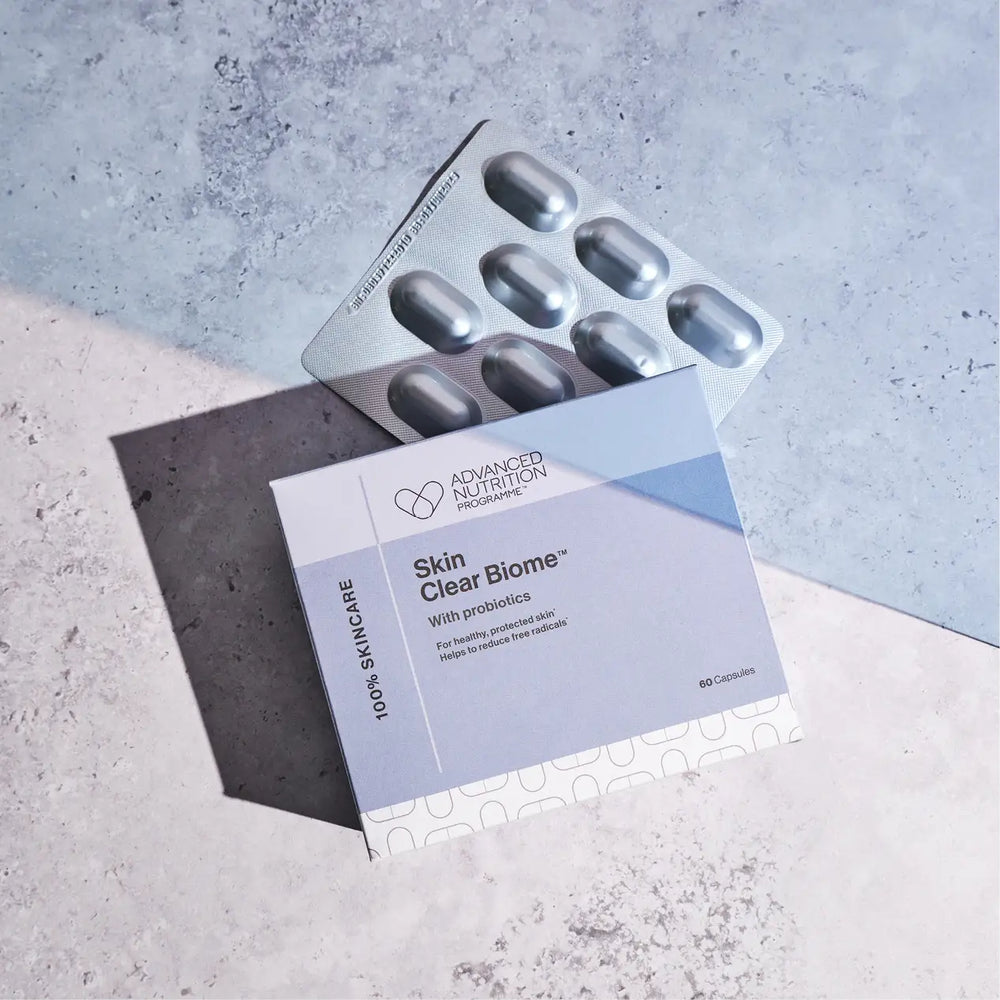
Advanced Nutrition Programme™ Skin Collagen Support is designed as an inside step for routines focused on ageing skin and collagen support.
The formula does not contain collagen. Instead, it provides nutrients that support the body’s own normal collagen formation, including vitamin C, which contributes to normal collagen formation for the normal function of skin.
It can be paired with topical skincare as part of a consistent beauty-from-within routine. As with any supplement, always read the label, follow the directions for use and speak with a healthcare professional if you have questions about whether it is suitable for you.

Frequently asked questions about sugar and skin
Will cutting out sugar reverse skin ageing?
No single dietary change can reverse skin ageing. Skin appearance is influenced by genetics, sun exposure, nutrition, skincare and lifestyle. Reducing excessive added sugar may support a more balanced diet, but it should be part of a broader routine.
Does sugar break down collagen?
Excess sugar may contribute to glycation, a process in which sugar molecules attach to proteins such as collagen. Over time, this may affect collagen’s flexibility and resilience. However, glycation is only one of many factors involved in visible skin ageing.
Do natural sugars affect the skin in the same way?
The body processes sugars from different foods, but the complete food matters. Whole fruit contains natural sugars alongside fibre, water and plant nutrients, making it different from foods and drinks containing large amounts of added sugar.
What foods support normal collagen formation?
Vitamin C-rich foods such as citrus fruit, kiwifruit, berries and capsicum can contribute to normal collagen formation. Protein-rich foods also provide amino acids, which the body uses to build proteins including collagen.
Does Skin Collagen Support contain collagen?
No. Advanced Nutrition Programme™ Skin Collagen Support does not contain collagen. It is formulated with nutrients that support the body’s own normal collagen formation.
A balanced approach to sugar and skin health
Sugar is only one part of the wider skin-health picture. When consumed in excess over time, it may contribute to glycation, a process that can affect collagen and elastin within the skin.
Rather than aiming for perfection, focus on a balanced diet, colourful whole foods, daily sun protection, consistent skincare and nutritional support suited to your needs. These everyday choices can help maintain healthy-looking skin while supporting your routine from within.
Advanced Nutrition Programme™ creates science-led skin supplements designed to complement topical skincare and support beauty from within. Explore the range to find a formula suited to your skin goals and daily routine.
100% Skincare Benefits
Skin Consultation
To begin your 100% skincare journey today, complete the online consultation quiz, and we will suggest supplements to assist in improving skin health, personalising your supplements to address your key skin concerns.

Skin Rewards
Skin Rewards is free to join, and you'll receive 50 points as our welcome gift. The Skin Rewards Program has been created for skin lovers like you, offering exclusive benefits for purchases made exclusively at Advanced Nutrition Programme.
Product Subscription
Did you know that we offer subscription program? These allow you to enjoy the convenience of auto-shipment and discounted product rates. Our subscription plans are fully flexible with no fixed contract.